The Summer Dark Spot Dilemma: Why July Is Both the Worst and Best Month for Hyperpigmentation

45% of Americans deal with dark spots. This July, here is the dermatologist-approved strategy to fade them without making them worse.
Dark spots do not disappear in summer. They get darker. Understanding why — and what to do about it — is the most important skincare lesson you can learn this July.
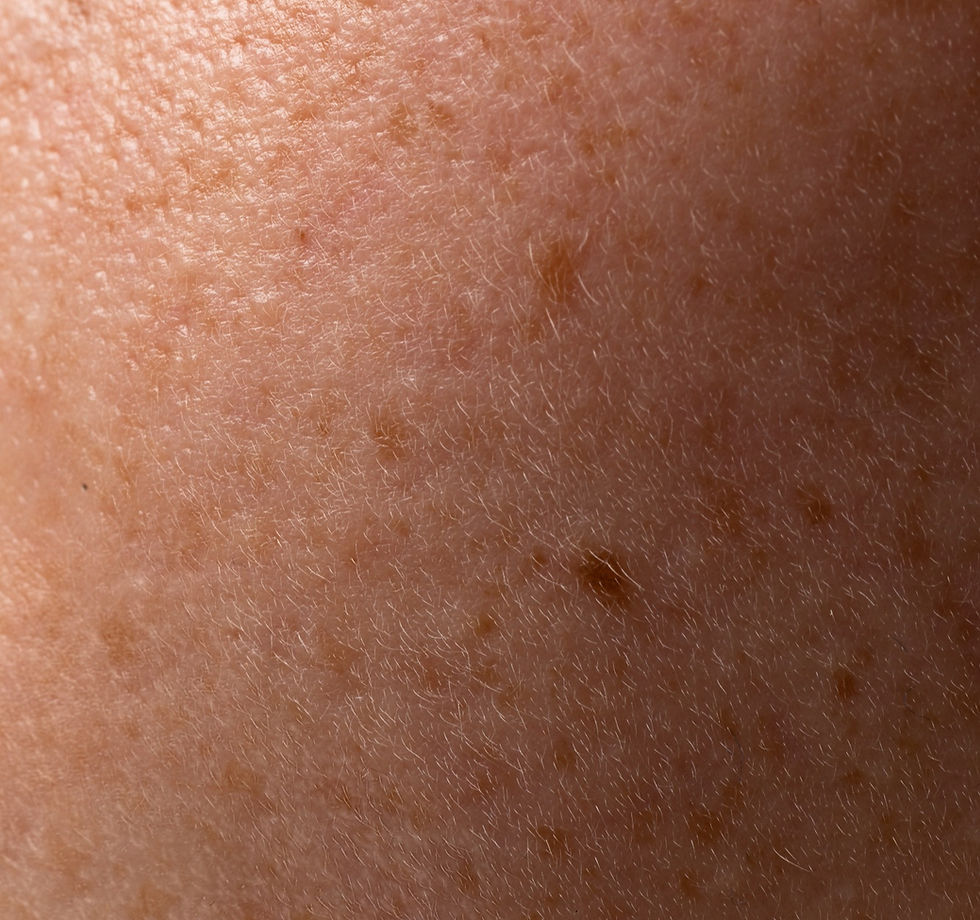
Hyperpigmentation is the great equalizer of skin concerns. Approximately 45% of Americans struggle with some form of it — sun spots, melasma, post-acne marks, and general uneven tone that no filter can fully conceal. It is consistently one of the most Googled skincare questions in the United States: 'how to get rid of dark spots.' And yet, summer — when sun exposure is at its annual peak — is precisely when most people's dark-spot strategies fall apart.
Here is the painful irony: July is simultaneously the month when hyperpigmentation is most triggered and most visible, and the month when the most effective fading treatments (exfoliating acids, vitamin C serums, retinoids) require the most careful handling. Get the balance wrong, and you can darken the spots you are trying to fade. Get it right, and you set the stage for genuinely transformed skin by autumn.
"UV damage is the single biggest driver of hyperpigmentation. You cannot meaningfully fade dark spots while simultaneously creating new ones." — Dermatologist consensus, 2026
Understanding Why Dark Spots Get Worse in Summer
Melanin — the pigment responsible for both your natural skin tone and your dark spots — is produced by cells called melanocytes in response to UV exposure. It is your skin's built-in sunscreen, produced as a protective measure. The problem arises when melanin production becomes dysregulated: concentrated in patches rather than distributed evenly, triggered by inflammation (post-acne), or chronically stimulated by unprotected sun exposure.
Every minute of unprotected UV exposure in July is a stimulus to produce more melanin. If you already have hyperpigmentation, that means existing spots absorb more UV and darken faster than surrounding skin. Melasma — a hormonal form of hyperpigmentation particularly common in women — is notoriously aggravated by both UV light and heat, making summer an especially triggering season.
The 2026 Brightening Arsenal: What Actually Works
Vitamin C — The Daily Antioxidant Standard
L-ascorbic acid (vitamin C) remains the gold standard for daily brightening. It inhibits the enzyme tyrosinase, which is responsible for melanin synthesis, while simultaneously neutralizing the free radicals that UV exposure generates. Applied in the morning under SPF, it provides an additive layer of antioxidant defense while gradually improving overall radiance and fading existing discoloration. Look for concentrations of 10-20% in stable formulations — vitamin C oxidizes quickly, so packaging matters as much as concentration.
Niacinamide — The Gentle Multitasker
Niacinamide (vitamin B3) has emerged as the summer-safe brightening ingredient of choice. Unlike vitamin C, it is highly stable in heat and humidity, making it ideal for July routines. It works by inhibiting the transfer of melanin from melanocytes to skin cells — addressing hyperpigmentation at a different step in the process than vitamin C. At 5%, niacinamide has been shown in clinical studies to meaningfully improve uneven skin tone over 8-12 weeks. It also reduces inflammation, which is critical for post-acne marks.
Chemical Exfoliants — Use With Extraordinary Caution
AHAs (glycolic and lactic acid) accelerate cellular turnover, helping to shed pigmented cells and reveal brighter skin beneath. They are effective — but in July, they require a level of sun protection that most people simply do not maintain consistently. Using AHAs without diligent SPF reapplication can paradoxically worsen hyperpigmentation by making freshly exfoliated skin more vulnerable to UV-induced melanin production. If you use exfoliating acids, keep them strictly in your evening routine, use a low concentration, and treat SPF the next morning as non-negotiable — not optional.
Botanical Brighteners — Nature's Gentle Alternative
For those whose skin is too reactive for acids in summer, or who are pregnant or nursing (making many conventional actives off-limits), botanical brightening ingredients offer a gentler path. Bakuchiol — a plant-derived compound from the babchi plant — delivers cellular turnover benefits comparable to retinol without photosensitivity. Sea buckthorn, rich in natural vitamin C and carotenoids, improves radiance and skin tone over time. Rosehip seed oil contains trans-retinoic acid, a naturally occurring retinoid. These are not instant fixes, but they are approaches that work with summer skin rather than against it.
The Dark Spot Protocol: July Edition
The most effective summer hyperpigmentation strategy is not one product — it is a framework.
Prevention first, always: No fading strategy outpaces ongoing UV-triggered production. Broad-spectrum SPF every morning, reapplied every two hours outdoors, is the non-negotiable foundation.
Morning: Vitamin C serum + SPF. This combination provides antioxidant defense against free radical damage while protecting against new melanin stimulation.
Evening: Niacinamide serum to inhibit melanin transfer, followed by your moisturizer. If your skin tolerates it, a low-percentage AHA can be added 2-3 evenings per week — not nightly.
Weekly: Gentle exfoliation (a light enzyme peel or 5% lactic acid mask) to aid cellular turnover without aggravating sensitivity. Always follow with extra moisturization.
Throughout: Stay cool. Heat is an independent trigger for melasma and inflammation-driven hyperpigmentation. Cooling facial mists, avoiding prolonged heat exposure, and using antioxidant-rich products can all reduce heat-triggered melanin production.
The Lifestyle Layer Nobody Talks About
Dark spot prevention is not only topical. UV-protective clothing — hats, SPF-rated fabrics, seeking shade between 10am and 4pm — reduces melanin stimulation more effectively than any serum. Antioxidant-rich foods (berries, leafy greens, green tea) support the skin's internal antioxidant defenses. Consistent sleep supports cellular repair pathways. The skin does its deepest repair at night — and hyperpigmentation responds to that repair process, but only when it is not being consistently overstimulated by UV during the day.
"Fading dark spots is a long game. The brands and consumers who win are the ones who focus on prevention as seriously as they focus on correction."
What to Expect, Realistically
Real talk: visible improvement in hyperpigmentation takes time. Dermatologists cite a realistic timeline of 8-12 weeks of consistent treatment to see meaningful fading for most spot types. Melasma is particularly stubborn and may require professional intervention (chemical peels, laser treatments, prescription topicals) for significant improvement. Post-acne marks, being more superficial, typically respond faster.
July is not the month to launch an aggressive fading campaign. It is the month to hold ground — protect aggressively, exfoliate gently, brighten intelligently — so that September's routine can do the real work on a skin that has not been retraumatized all summer.
✦ Skin Leaf for Hyperpigmentation: Our Antioxidant Facial Oil and Glowing Skin Facial Oil are formulated with botanicals that support even skin tone and natural radiance — without the photosensitivity concerns of conventional actives. Pair with your morning SPF for a brightening routine built for summer.
Comments