Endocrine Disruptors in Cosmetics: What They Are and Why They Matter

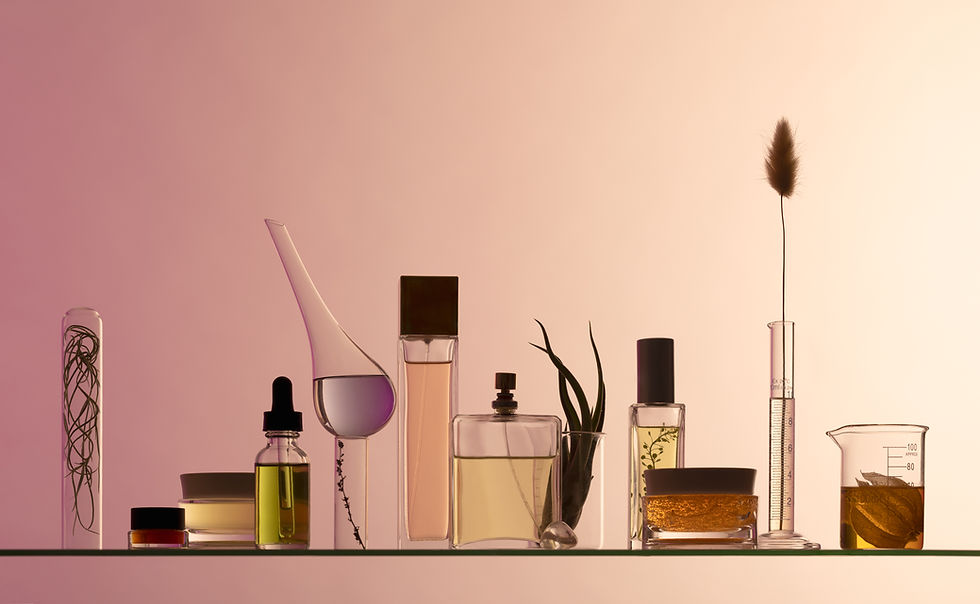
The cosmetics industry has evolved tremendously over the past decades, offering increasingly sophisticated and effective products. Yet, one concerning aspect of this evolution is the presence of endocrine disruptors in many personal care products. These chemicals can interfere with the body’s hormonal system, potentially leading to a wide range of health issues.
What Are Endocrine Disruptors?
Endocrine disruptors are chemicals—both natural and synthetic—that interfere with the endocrine system, which regulates hormone production and balance in the body. They can mimic natural hormones, block their effects, or alter their production, resulting in potential adverse effects on human health. Studies link exposure to endocrine disruptors with fertility issues, abnormal neurological development, hormone-sensitive cancers, and metabolic disorders. (NIEHS)
Common Endocrine Disruptors Found in Cosmetics
Several cosmetic ingredients are known for their hormone-disrupting properties. The most common include:
Parabens (methylparaben, ethylparaben, propylparaben): Often used as preservatives, parabens can mimic estrogen and disrupt hormonal balance. (Soil Association)
Phthalates: Found in fragrances and plastics, they can interfere with sex hormones and reproductive function. (EWG)
Polychlorinated biphenyls (PCBs): Less common, but can be present in some cosmetic products and affect the endocrine system.
Triclosan: An antimicrobial agent found in some soaps and hygiene products that can impact hormonal function. (MD Anderson)
Chemical sunscreens (like oxybenzone): Can penetrate the skin and disrupt hormonal activity. (Soil Association)
Health Risks of Endocrine Disruptors
Even low-level, long-term exposure to endocrine disruptors can have cumulative effects. Research suggests links to:
Infertility and reproductive problems: Hormonal changes can affect fertility in both men and women.
Fetal and child development issues: Exposure during pregnancy may impact fetal development with long-term consequences.
Hormone-sensitive cancers: Some compounds can increase the risk of breast or prostate cancer.
Metabolic disorders and obesity: Interference with metabolism-regulating hormones can contribute to weight gain and insulin resistance.
How to Minimize Exposure
While completely avoiding endocrine disruptors is challenging, several strategies can help reduce risk:
Choose products with transparent labeling: Look for full ingredient lists and avoid known endocrine-disrupting substances.
Opt for organic and natural products: Certified organic products tend to contain fewer synthetic chemicals.
Avoid synthetic fragrances: Artificial scents often contain phthalates and other harmful compounds; natural or fragrance-free options are safer.
Select mineral sunscreens: Zinc oxide and titanium dioxide are less likely to penetrate the skin and disrupt hormones.
The Bigger Picture
Awareness is key. By making informed choices and prioritizing safer products, consumers can reduce exposure to potentially harmful chemicals. At the same time, the cosmetics industry plays a crucial role in reformulating products and adopting safer practices, ensuring that the pursuit of beauty does not compromise health.
A Thoughtful Ending for Skin Leaf Cosmetics Readers
For those looking to enjoy cosmetic self-care without unnecessary risk, Skin Leaf Cosmetics emphasizes formulations free from known endocrine disruptors. By choosing conscious products and ingredients, you can maintain a safe, effective, and luxurious skincare routine—protecting your health while indulging in the ritual of self-care.
Comments